

January in an RTO: The Month That Protects The Year
You either ease gently into the year, hoping everything falls into place…
or you take a breath, gather everyone together, and set things up properly before the year takes over and suddenly it’s Christmas again.
I’m not trying to cover everything in this blog. I am focusing on three areas I deliberately prioritise each January as they have the biggest impact on compliance, risk and how the rest of the year unfolds. For each one, I explain why it matters, link it to the legislation that’s relevant, show how we manage it in practice, share a simple checklist, offer a few recommendations, and finish with the quiet truth experience teaches you.
Getting Everyone Back on the Same Page
Why this saves pain later
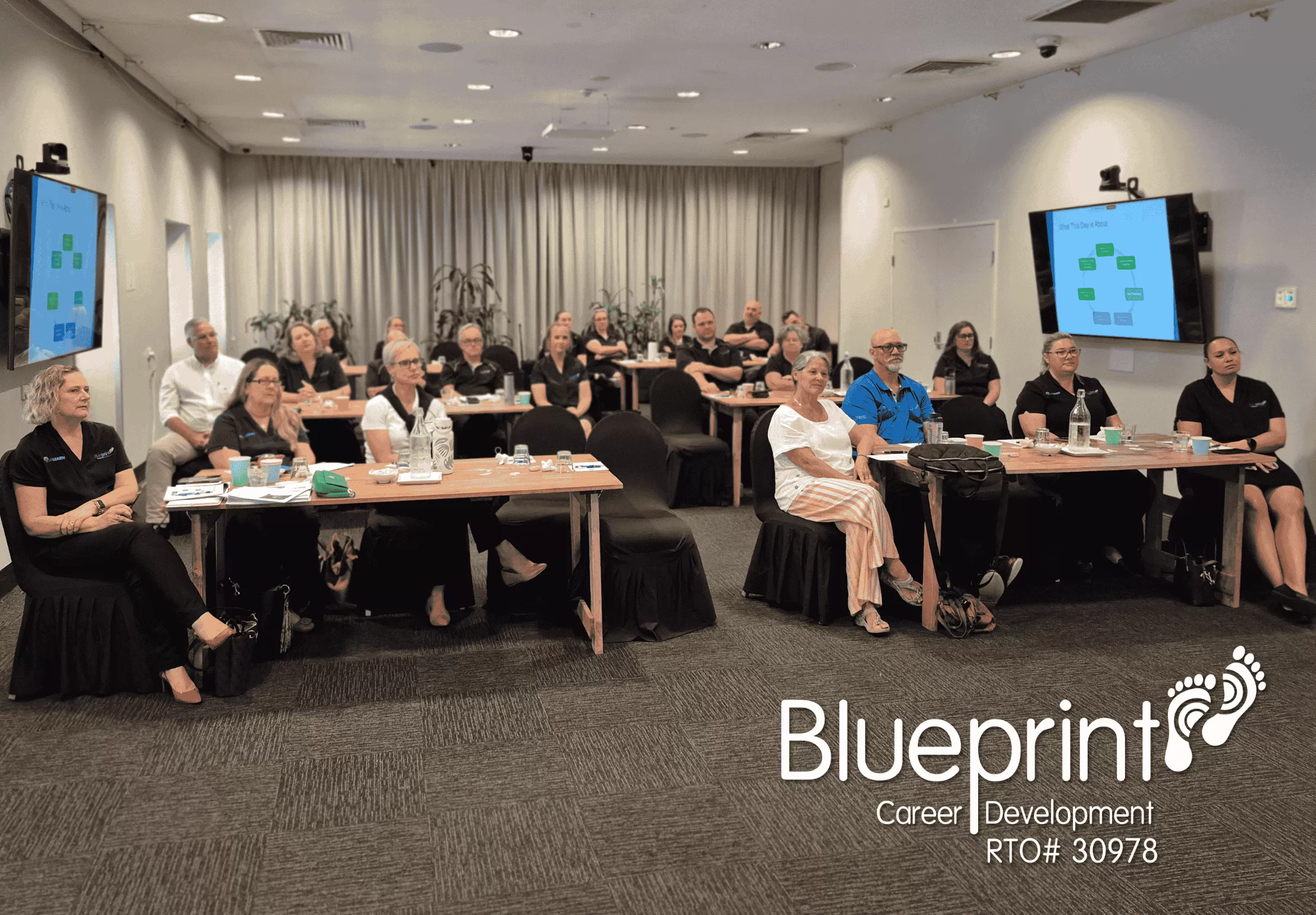
Before the year accelerates, January is when we stop, reflect and reset how we work together. This matters because continuous improvement can’t be retrofitted. If alignment doesn’t happen early, it usually happens later, under pressure, during audits, or after something has gone wrong.
Legislation
This reflects our continuous improvement and workforce development obligations under the Standards for RTOs 2025, especially Continuous Improvement (Standard 4.4) and workforce currency by systematically reviewing performance, planning development, and embedding reflection into our annual cycle.
How we manage this in practice
1. Look back at 2025 honestly
We talk openly about our wins, what landed well, and what we’re genuinely proud of not just what looks good on paper.
2. Acknowledge the challenges, not just the successes
We surface the pressure points: what was hard, what stretched the team, and where systems or processes didn’t support people as well as they should have.
3. Look ahead to 2026 with eyes wide open
We share the good news on the horizon, but we also talk openly about the realities ahead, like re-registrations, funding reviews, regulatory change and resourcing pressures.
4. Agree on priorities, not just tasks
This helps us decide what must be protected, what needs strengthening, and where we need to be proactive rather than reactive as the year unfolds.
A simple, practical check
By the end of the day, you should be able to clearly state:
• What we’re keeping
e.g. delivery approaches that worked well, systems staff actually used, support processes that reduced issues during the year
• What we’re fixing
e.g. assessment turnaround times, communication gaps, inconsistent practices, tools that caused confusion or rework
• What we’re stopping
e.g. duplicated processes, workarounds that create compliance risk, meetings or reports that don’t add value
If you can’t name specific examples in each category, the PD Day probably created conversation, not outcomes.
Recommendations
The Ship Inn, Southbank Brisbane.
👉 The Ship Inn - Brisbane’s most iconic pub
The function room offers a dedicated entrance, lift access, private amenities, air-conditioning and a full-length veranda overlooking South Bank.
A quiet truth:
The veranda is a great place for after PD drinks and nibbles!
Mandatory WHS & HR Training
Why this saves pain later
Completing mandatory WHS and HR training early means the organisation isn’t scrambling to prove compliance when something goes wrong. Expectations are clear, risks are understood, and evidence already exists before pressure hits.
Legislation
Under the Work Health and Safety Act 2011, a Person Conducting a Business or Undertaking (PCBU) must ensure, so far as is reasonably practicable, that workers are provided with information, instruction, training and supervision necessary to protect them from risk.
From an operational point of view, completing this training at the start of the year matters because:
• roles, systems and risks change over time
• complacency creeps in when training is delayed or treated as a tick-box
• new and emerging risks (psychosocial hazards, remote work, workload pressure) must be addressed proactively
How we manage this in practice
To ensure compliance is consistent and no one is missed, all staff are enrolled in mandatory WHS and HR training at the beginning of the year. This training supports our obligations under WHS and workplace legislation by ensuring staff understand risks, expectations and their responsibilities before the year’s workload intensifies.
A simple, practical check
By the end of January, every staff member must have completed mandatory training, including:
• Work Health and Safety (WHS) – hazard identification, incident reporting and risk management
• Anti-discrimination and equal opportunity – rights, responsibilities and acceptable workplace behaviour
• Bullying, harassment and respectful workplaces – including psychosocial risk awareness
• Travel and remote work safety – lone work, travel risk and duty of care
• Ergonomics – safe workstation setup for office, home and mobile work
Recommendations
We manage this through Peninsula’s - BrightHR and BrightSafe
👉 BrightSafe Health & Safety Management Software | Peninsula
What we like about it is the simplicity:
• Training is assigned consistently
• Completion is tracked
• Records are easy to find when you need them
A quiet truth:
When a workplace injury occurs, regulators don’t just look at the incident they look for evidence that WHS training was provided, understood and current.
Employment Files
Why this saves pain later
When employment files are current and policy acknowledgements are in place, the organisation can respond confidently to audits, complaints or disputes and without scrambling for documents under pressure.
Legislation
Fair Work and employment law
Employment legislation requires employers to:
• keep accurate employee records
• clearly communicate employment conditions, expectations and policies
• apply workplace policies consistently
How we manage this in practice
At the beginning of January, all staff are issued with a set of mandatory policies and procedures to read and acknowledge. These include:
1. Issue key policies and procedures
o Work Health and Safety (WHS)
o Claiming travel and other work-related allowances
o Employee obligations and expected standards of behaviour
o any updated or new policies relevant to the year ahead
Staff are required to read and formally acknowledge these documents.
2. Confirm personal and employment details
At the same time, staff are required to review and reconfirm their personal information, including:
o current address and contact details
o driver’s licence details (where relevant to their role)
o any other employment-related information held on file
This ensures records remain accurate and current.
3. Centralised record management
All acknowledgements and updates are completed and stored centrally through an HRS, creating:
o a consistent process for all staff
o a clear audit trail of acknowledgements and updates
o clean, complete and accessible employment files
4. Clear deadlines and completion expectations
Dedicated time is allocated in January for staff to complete these requirements, with a clear expectation that all updates and acknowledgements are finalised by the end of January.
Recommendations
We do this through Employment Hero:
👉 https://employmenthero.com
It means:
• Personal details are current
• Policies and acknowledgements are signed
• Employment files are clean and consistent
A quiet truth:
Annual updates are far easier than emergency clean-ups.
Ask your self - What’s one thing you’re intentionally getting right this January?
Because strong years aren’t accidental, they’re built early.